
Aleksandr Solzhenitsyn
Aleksandr Solzhenitsyn was a towering Russian novelist, historian, and dissident who exposed the brutal realities of the Soviet forced labor camp system to the global audience. Arrested in 1945 for criticizing Joseph Stalin in private correspondence, he spent eight years in gulags and internal exile, experiences that formed the crucible of his literary career.
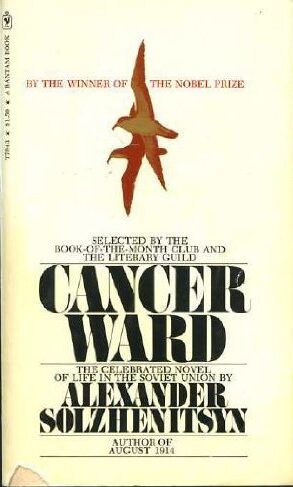
Solzhenitsyn burst onto the international literary scene in 1962 with the publication of One Day in the Life of Ivan Denisovich, a masterwork authorized by Soviet leadership under Nikita Khrushchev that offered an unflinching look at daily survival in the camps. His subsequent masterpieces, including The Gulag Archipelago and Cancer Ward, circulated widely in clandestine samizdat before being published abroad.
Awarded the Nobel Prize in Literature in 1970, Solzhenitsyn was stripped of his Soviet citizenship and expelled from the USSR in 1974. He lived in exile in Switzerland and the United States before returning to post-Soviet Russia in 1994.
Solzhenitsyn’s uncompromising moral clarity and monumental historical documentation cemented his status as one of the 20th century’s most profound literary and political voices, fiercely championing individual conscience against totalitarian oppression.
Mostrando los 2 resultadosOrdenado por los últimos
Mostrando los 2 resultadosOrdenado por los últimos